Remember when OpenClaw blew up because it let you text your AI like a coworker and it would actually go do things while you slept? Anthropic just shipped their answer to that and it’s called Claude Code Channels.
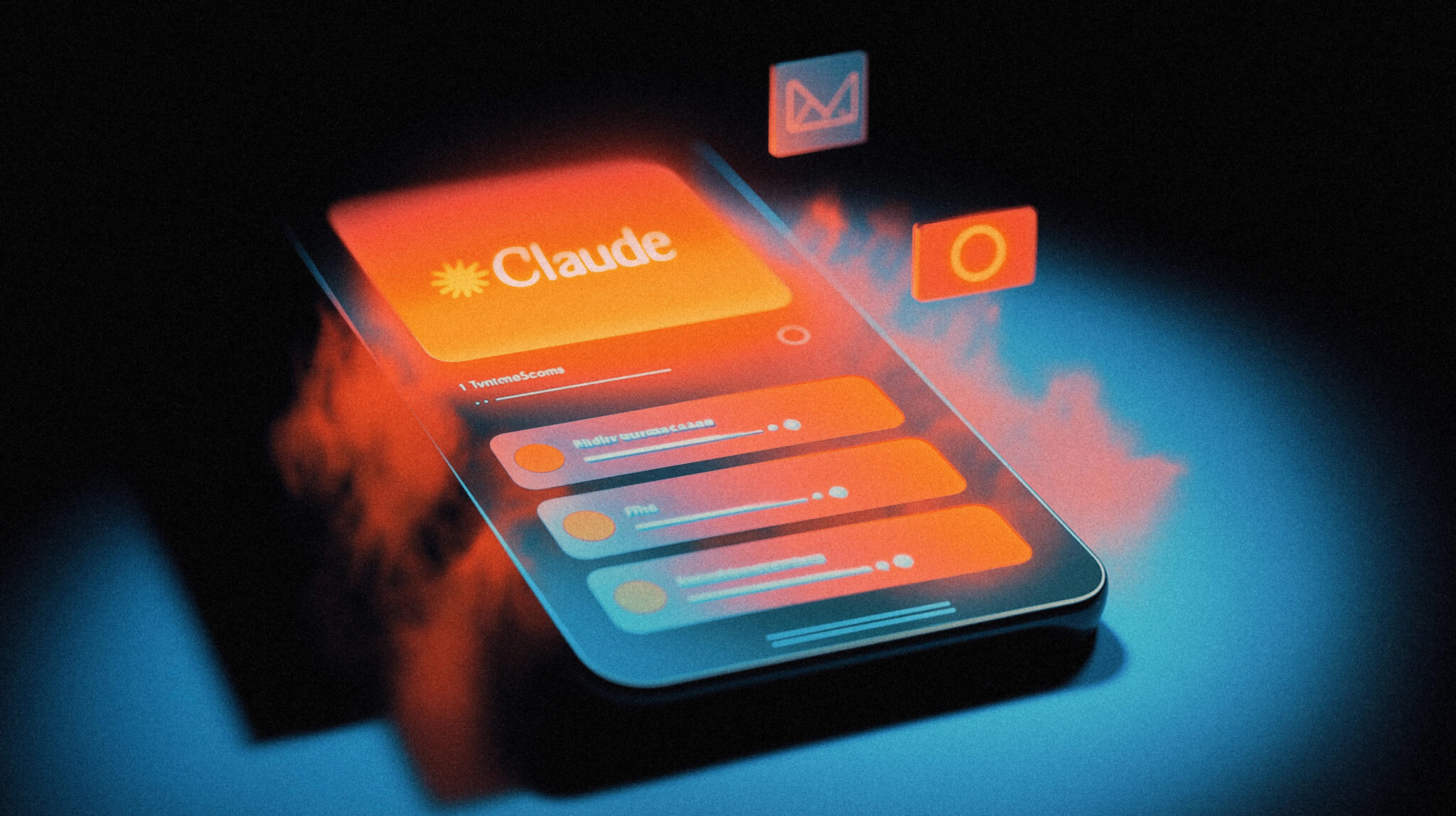
Launched March 20 as a research preview, Channels lets you connect your Claude Code session directly to Telegram or Discord. You send a message from your phone, Claude runs it on your laptop, and replies back through the same chat. Not a watered down chatbot. The actual Claude Code agent with full access to your files, your codebase, your terminal, doing real work while you’re away from your desk.
Why This Matters If You Followed the OpenClaw Story
OpenClaw became one of the fastest growing GitHub projects in history partly because of one thing: you could text it from iMessage or WhatsApp and it would go do stuff. Fix a bug. Deploy a feature. Organize your files. The “text your AI employee” model resonated in a way that browser based chat interfaces never quite did.
The problem with OpenClaw was the setup was complex, the security posture was loose, and it required a level of technical confidence most people don’t have. Plenty of users gave it broad access to their systems and hoped for the best.
Claude Code Channels is Anthropic’s version of the same idea with the rough edges sanded off. The plugins are officially maintained, the security model includes pairing codes that lock the bot to your specific user ID so nobody else in a Discord server can send it commands, and it runs on the same Model Context Protocol infrastructure Anthropic has been building out all year. No reverse proxy, no open ports on your machine, no hoping the random open source plugin you installed isn’t doing something sketchy.
One developer who set it up with Telegram described what they built from their phone in a single session: deployed an iOS app wirelessly to their device, compiled a reading list of 83 saved articles, and kicked off a podcast transcription workflow that delivered the results as a formatted Markdown report. All from an iPhone while Claude Code ran on their Mac.
How It Actually Works
The architecture is cleaner than it sounds. You start a Claude Code session with the --channels flag. That spins up a local background process that polls your Telegram or Discord bot for incoming messages. When a message arrives it gets injected into your active Claude Code session, Claude does the work using all its normal tools, and the result gets sent back through the same chat. Your session stays on your machine. Nothing goes to the cloud that wouldn’t already go there through normal Claude Code usage.
The key difference from just having a chatbot is what Anthropic calls “push not pull.” Traditional AI tools sit idle until you open the app and type something. Channels flips that. External events fire into your session the moment they arrive whether that’s a message from your phone, a CI failure alert, or a monitoring notification from your infrastructure. Claude maintains context across all of it without you having to rebuild the conversation each time.
Currently supported platforms are Telegram and Discord. The plugin architecture is open enough that Slack, WhatsApp, and iMessage have already been requested by the community and Anthropic has signaled more platforms are coming. You can also build your own channel connector if you’re comfortable with MCP servers.
The Timing Is Not a Coincidence
OpenClaw creator Peter Steinberger joined OpenAI in February 2026. Claude Code Channels launched on March 20. Anthropic also shipped Cowork with Dispatch three days later, which does the same phone to desktop thing but for non developers through the Claude desktop app. The gap between open source agents doing this in the wild and official commercial products offering the same capability just closed considerably.
The community reaction has been direct about what this means. Several developers described it as Anthropic building OpenClaw. The consensus among early adopters is that the official version is more deeply integrated and has a more complete security model while offering the same core capability that made OpenClaw so compelling in the first place.
If you have Claude Pro or Max and already use Claude Code, this is worth setting up this week. The Telegram integration takes about five minutes. The ability to kick off a task from your phone and come back to finished work is the kind of thing that sounds like a small convenience right up until you use it and realize it’s actually quite different from anything you had before.