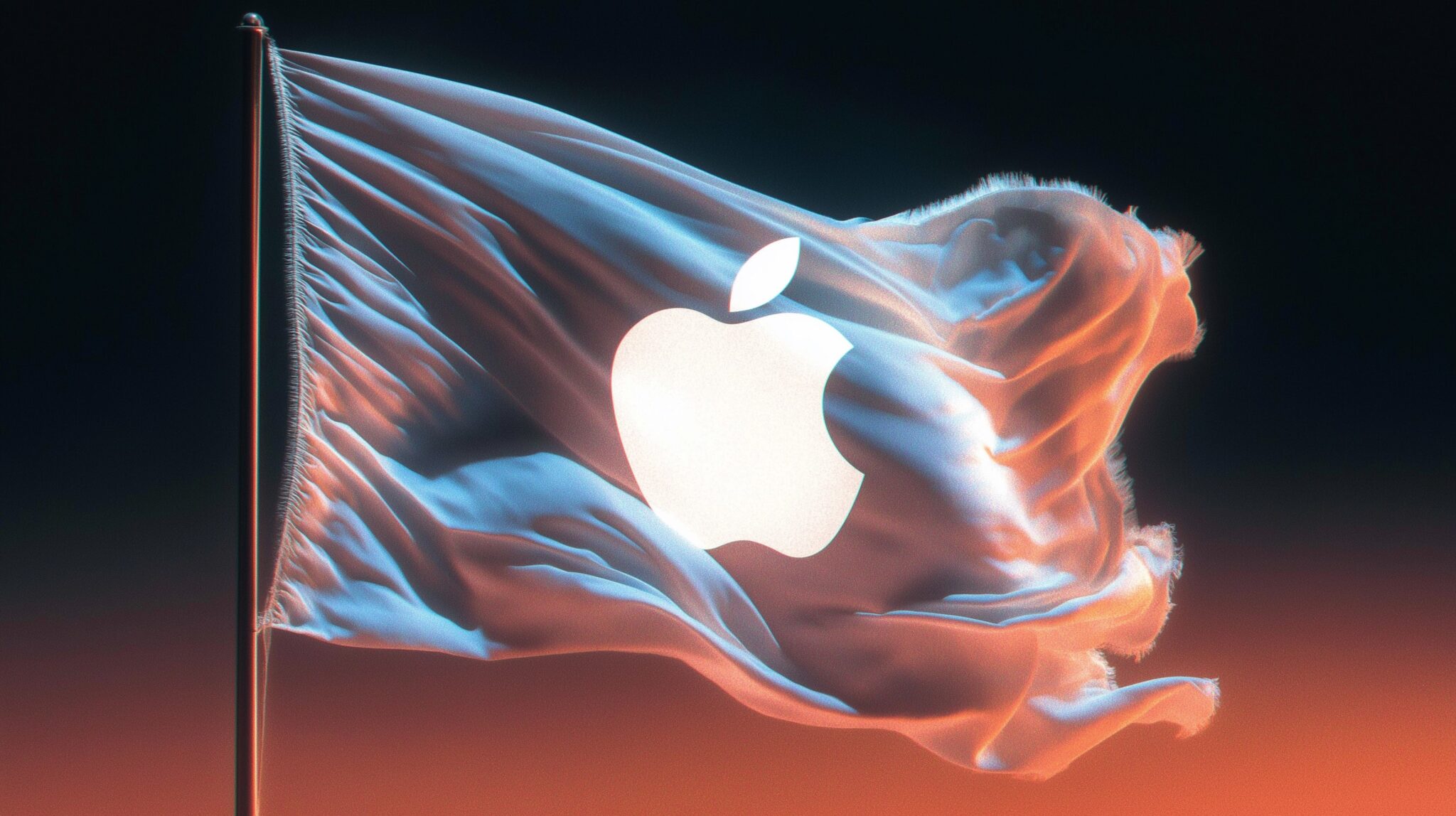
This is the white flag.
Apple is preparing to open Siri to outside AI assistants as part of a major overhaul in its upcoming iOS 27 operating system. Siri can already tap into ChatGPT through a partnership with OpenAI, but Apple will now allow competing services to do the same.
That means Claude. Gemini. Whatever comes next. All of them, living inside the button you press when you want Siri.
Think about what that actually means. Apple, the most controlling company in tech history, is opening its most personal, most deeply embedded product to its direct competitors. The company that pulled Google Maps from the iPhone because they wanted to own navigation. The company that built its own chips, its own operating system, its own browser, its own payment system. That Apple just said: we can’t win this one ourselves.
How Did We Get Here
Siri launched in 2011. It was genuinely impressive then. A voice assistant that could understand natural language, set reminders, answer questions.. it felt like the future.
Then ChatGPT launched in 2022 and made Siri feel like a toy.
Apple tried to catch up. They promised a massive Siri overhaul. They ran ads for features that didn’t exist yet. They delayed. And delayed again. Apple pushed back Siri’s action features that were expected in spring 2025 to 2026. Then missed that too.
Meanwhile Apple’s App Store was quietly collecting $900 million in fees from AI apps in 2025 alone, 75% of it from ChatGPT. The irony is almost too much. Apple was making a billion dollars off the AI tools that were making Siri look obsolete.
What’s Actually Changing
iOS 27, coming this fall, will let you route Siri requests to whichever AI assistant you actually want to use. Claude from Anthropic. Gemini from Google. Whatever else gets approved. You press the button, you pick your brain.
Apple’s plan is to use a custom version of Google’s Gemini foundation models running on Apple’s Private Cloud Compute infrastructure as the core of the new Siri, but the iOS 27 move goes further, letting third parties compete for that role rather than Apple controlling the whole stack.
It’s a complete reversal of everything Apple stands for. And it’s the right call.
The Landlord Wins Either Way
Here’s the thing Apple figured out that nobody talks about enough. Apple doesn’t need to build the best AI model to profit from the category. It simply needs to control the platform where users discover and pay for them. While rivals burn cash to build the technology, Apple collects rent on the distribution. MacDailyNews
Opening Siri to rivals isn’t a loss. It’s a business model. Every time someone uses Claude through Siri on their iPhone, Apple wins. Every subscription upgrade, every in-app purchase, every new AI user who sticks to iPhone because their favorite assistant works seamlessly on it, that’s Apple’s cut.
They stopped trying to beat the AI labs at their own game. Instead they turned their phone into the platform every AI lab needs to reach 2.5 billion devices.
That’s not losing. That’s chess.
What This Means for You
If you’re an iPhone user, this is genuinely good news. You’ve been stuck with an assistant that couldn’t answer basic questions without punting to a web search. Now the best AI tools in the world will be one button press away, deeply integrated into your phone rather than living in a separate app.
If you prefer Claude, and a lot of people do, this could mean using it hands free in your car, controlling your apps with it, accessing it the same way you’d call someone. We reviewed Claude Pro and it’s easy to see why Apple wants it on the iPhone. Perplexity is another AI tool that already outperforms Siri at search and could benefit from this kind of deep integration.
The full rollout comes with iOS 27 this fall. WWDC in June will be where Apple shows everyone what this actually looks like in practice. In the meantime, if you want AI doing actual work for you instead of answering trivia questions, automation tools like Make.com and n8n are already there.
Until then, Siri still can’t tell you what’s on your screen without three taps and a prayer.