
Apple spent years telling you their devices were the privacy choice. Your data stays on your device. No one is watching. Trust us.
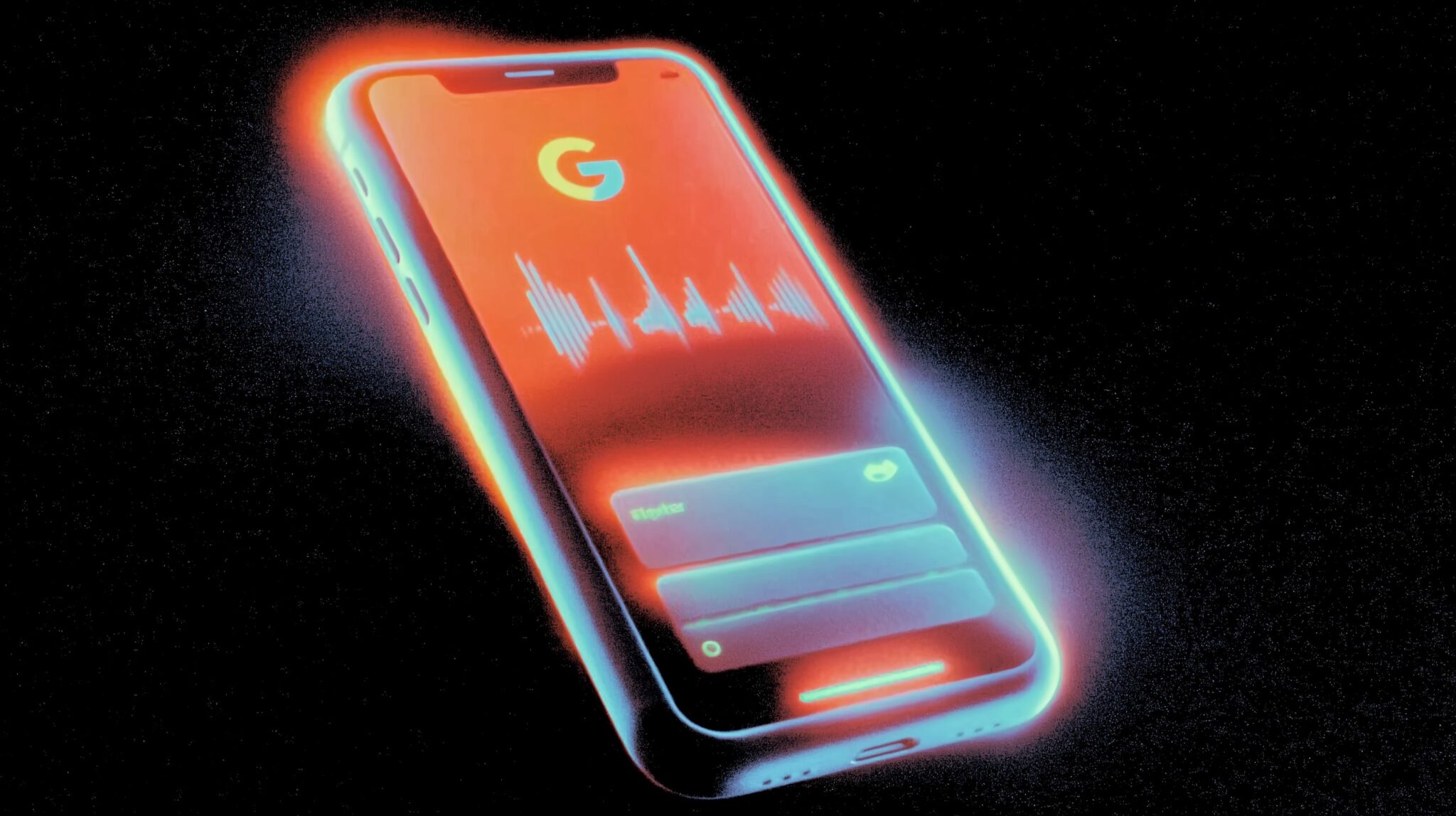
Then they quietly partnered with Google to rebuild Siri from the ground up using a 1.2 trillion parameter AI model that Google built. And they are calling it the new Siri.
This is not a rumor. Apple officially announced it. The new AI powered Siri is coming in 2026 alongside iOS 26.4 and it is running on Google’s Gemini model under the hood.
What the New Siri Actually Does
The upgrade is real and it is significant. The current Siri is a punchline. Everyone knows it. Ask it anything remotely complex and it either misunderstands you, sends you to a Google search, or just fails silently. It has been the weakest part of the Apple ecosystem for years and Apple knows it.
The new version is a completely different product. It has what Apple is calling “on screen awareness” meaning it can see what you are looking at on your phone and respond in context. You are reading an email and you ask Siri to add the meeting mentioned in it to your calendar. It does it. No copying, no switching apps, no repeating yourself.
It also works across apps seamlessly. Ask it to find the restaurant your friend texted you about, check if you are free that evening, and make a reservation. It handles the whole chain without you touching anything.
That is genuinely useful. That is the kind of thing people have been asking Siri to do for a decade.
The Google Problem
Here is where it gets complicated.
Apple is running Google’s Gemini model through something they call Private Cloud Compute. The idea is that your data gets processed privately even though it is going through Google’s infrastructure. Apple says your prompts are not stored, not used to train models, not accessible to Google.
That is the claim. Whether you believe it depends on how much you trust both Apple and Google to honor that arrangement indefinitely, under any future business conditions, under any future legal pressure, and through any future changes in leadership or policy at either company.
Apple built its entire premium brand around privacy. “What happens on your iPhone stays on your iPhone” was not just a slogan. It was a core value proposition that justified the price premium for millions of people.
Routing your most personal assistant through Google’s AI infrastructure is a different direction. Apple knows this, which is probably why the announcement was made relatively quietly without the usual keynote fanfare.
Why They Did It
The honest answer is they had no choice. Apple’s own AI research has consistently lagged behind Google, OpenAI, and Anthropic. They tried to build their own large language model. It was not good enough. The gap between what Apple Intelligence could do and what ChatGPT or Gemini could do was too visible and too embarrassing.
So they did what any company does when they are behind on a core technology. They licensed it from someone who is ahead.
The partnership makes sense from a business perspective. Google needs distribution and Apple has a billion active iPhone users. Apple needs AI capability and Google has some of the best models in the world. Both companies get what they need.
The people who do not obviously get what they need are the users who chose Apple specifically because they did not want Google involved in their digital life.
What This Means For You
If you are an iPhone user, the new Siri is coming whether you want it or not with iOS 26.4. It will be significantly more capable than what you have now. Whether the privacy tradeoff is acceptable is a personal decision and Apple has at least built in structural protections with Private Cloud Compute.
If this bothers you, you already have options. Claude has an iOS app. ChatGPT has an iOS app. You can choose your AI assistant independently of whatever Apple ships as the default.
But the bigger picture here is worth sitting with for a moment. The lines between these tech giants are blurring fast. Apple uses Google’s AI. Google uses Apple’s distribution. Microsoft is embedded in OpenAI. Nvidia is partnered with OpenClaw. The clean separations people assumed existed between these companies are becoming harder to find.
That is not necessarily bad. But it is worth knowing.